Family Farming

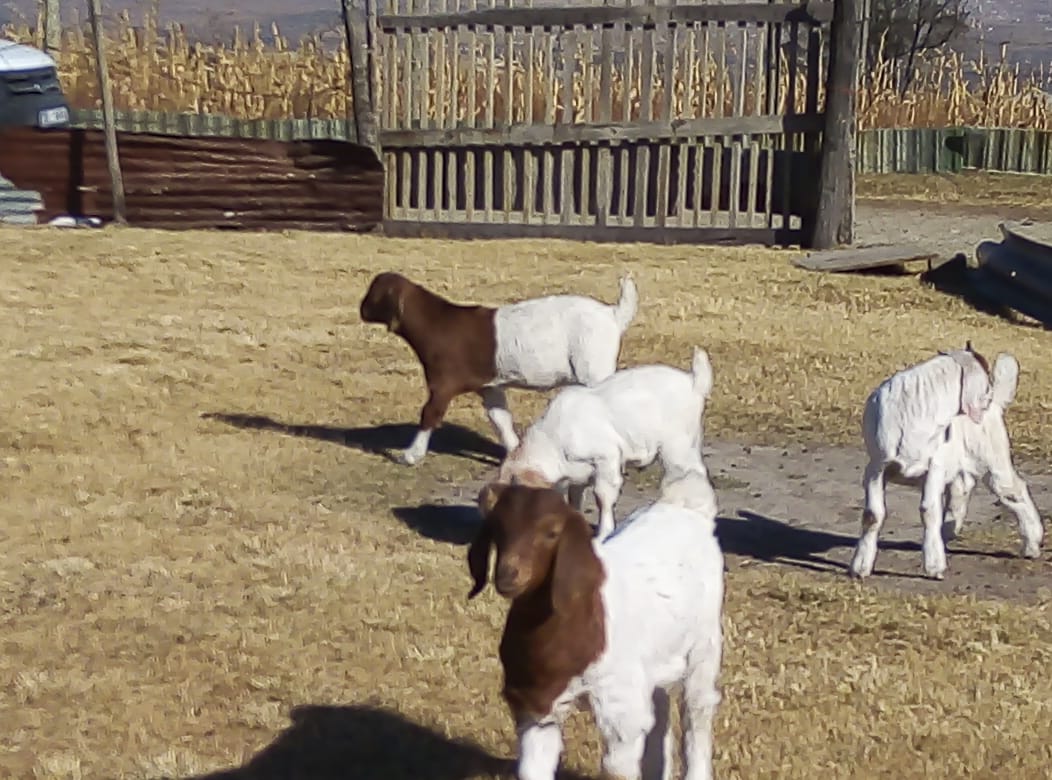
An emerging farmer breeds indigenous goats into boer goats

Livestock production is one of the most important activities of agriculture in South Africa.  The Boer goat is a breed of goat that was developed in South Africa in the early 1900s and is a popular breed for meat production. Their name is derived from the Afrikaans word boer, meaning farmer. They have a high resistance to disease and adapt well to hot, dry semi-deserts. The standard boer goats have

Launch of the UN’s Decade of Family Farming to unleash family farmers’ full potential

The UN Decade of Family Farming 2019-2028 aims to shed new light on what it means to be a family farmer in a rapidly changing world and highlights more than ever before the important role they play in eradicating hunger and shaping our future of food. Family farming The Food and Agriculture Organization (FAO) and the International Fund for Agricultural Development (IFAD) launched the United Nations’ Decade of Family Farming

He becomes an agricultural entrepreneur by operating a plantain tree nursery

From his university studies, Narcisse AMAN dreamed of becoming an agricultural entrepreneur. As Agricultural Engineering Engineer with a diploma of the Felix Houphouet-Boigny National Polytechnic Institute (INPHB) of Yamoussoukro, he continued to secretly feed his dream despite his position as Head of the Exploitation Unit in an agricultural company. His dream became a reality when he adopted the Stem Fragment Plant Technique (PIF) imported from Cameroon, during a training program

From death’s door to a master of agri-innovation (foodformzansi)

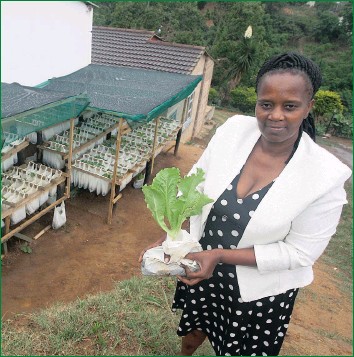
When all hope seemed lost, 51-year-old Nonhlanhla Joye literally started farming in plastic bags. She is the founder and director of the Umgibe Farming Organics and Training Institute. “I hated farming when I was a child. While all the other kids my age were running around and playing, I was in my father’s backyard helping him tend his farm,” proclaims the 51-year-old award-winning farmer from Cato Manor, just outside Durban

From the vantage of a Zimbabwean family farmer

On 20 December 2017, the United Nations (UN) General Assembly adopted a resolution which declared the years 2019-2028 to be the Decade of Family Farming. According to the Food and Agriculture Organisation (FAO), the Decade of Family Farming will aim at focusing systematically on cross cutting and multi-dimensional issues which are of concern to family farmers. Family farming is generally understood to be a type of farming whereby inherited land

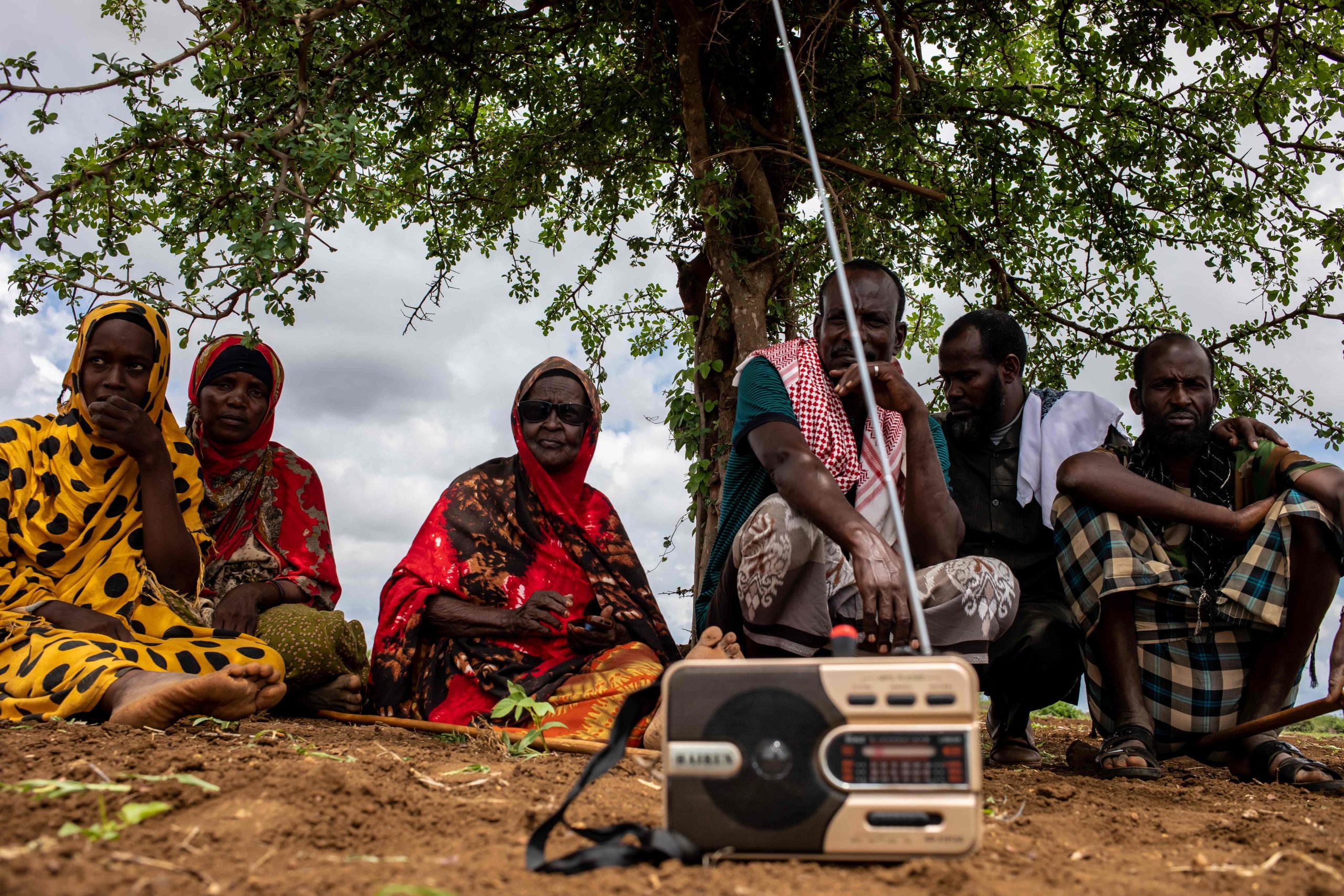
FAO uses radio and Farmer Field School approach to support farmers facing the Fall armyworm

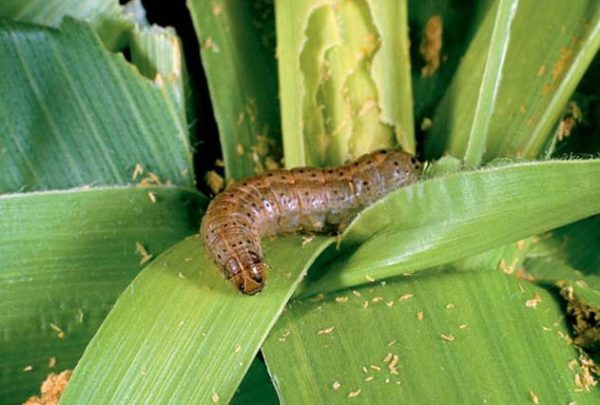
The Fall armyworm is a caterpillar, a member of the Lepidopteran family, that feeds in large numbers on a wide variety of plant species, but its favourite food is maize. This caterpillar is native to tropical and sub-tropical regions of the America, but since 2016, it has been spotted across the African continent, munching on maize crops. Farmers were caught unaware – unsure of how to deal with this new

Youth organization for peace and rural development promotes sustainable agriculture

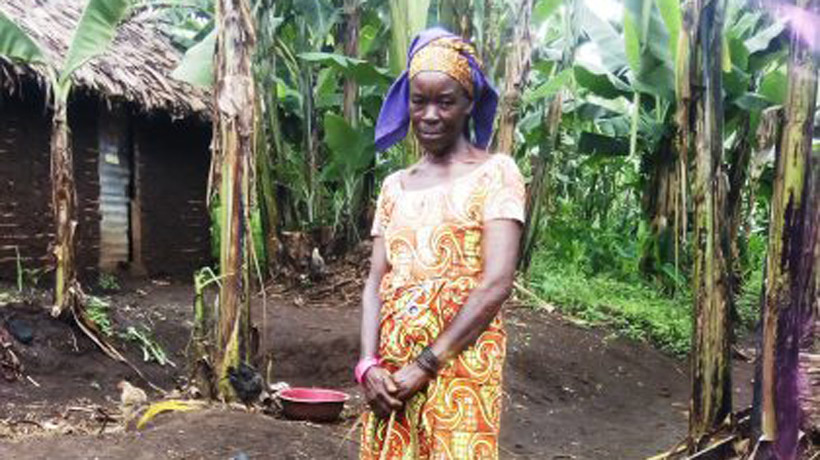
As part of the support project for farmers of the South Kivu province in the Democratic Republic of Congo, our organization Youth for Peace and Development of the Rural World- JPDMR, non-profit association, has developed an approach named “Sustainable Family Farming in Rural Areas” in the Kajuchu locality, Irambi-Katana community on the Kabare Territory with the aim of educating and sensitizing farmers in this area. Two themes were developed during

The garden in a packet

Nonhlanhla Joye is known as a Farmer, a Social Entrepreneur and the Founder of Umgibe Farming Organics and Training Institute who is passionate about food security and community empowerment.  Umgibe’s main purpose is to train and promote farmer-owned, well-governed, well-managed, profitable & equitable cooperatives and small scale farmers. Ma Joye as she is known in the community, was born in KwaZulu Natal (KZN) province in South Africa.  She is the

Combatting Fall armyworm in Ethiopia

The fall armyworm (FAW), Spodoptera frugiperda, was first reported on the African continent in early 2016 and, in Ethiopia alone, has infested approximately a quarter of the 2.6 million hectares of land planted with maize since 2017. To tackle the devastation, the Government of Ethiopia set up a National Technical Advisory Committee on FAW (FAW TAC) in early 2018 which includes government stakeholders such as the Ministry of Agriculture and

Yenkasa Africa now part of BarzaWire!

We are proud to announce that Yenkasa Africa is now part of Barza Wire – a service of Farm Radio International. Barza Wire is a unique weekly news service shares stories relevant to small-scale farmers and rural communities. This content is available for use by radio broadcasters, and can be accessed online or through our weekly email. Check it out at this link!