
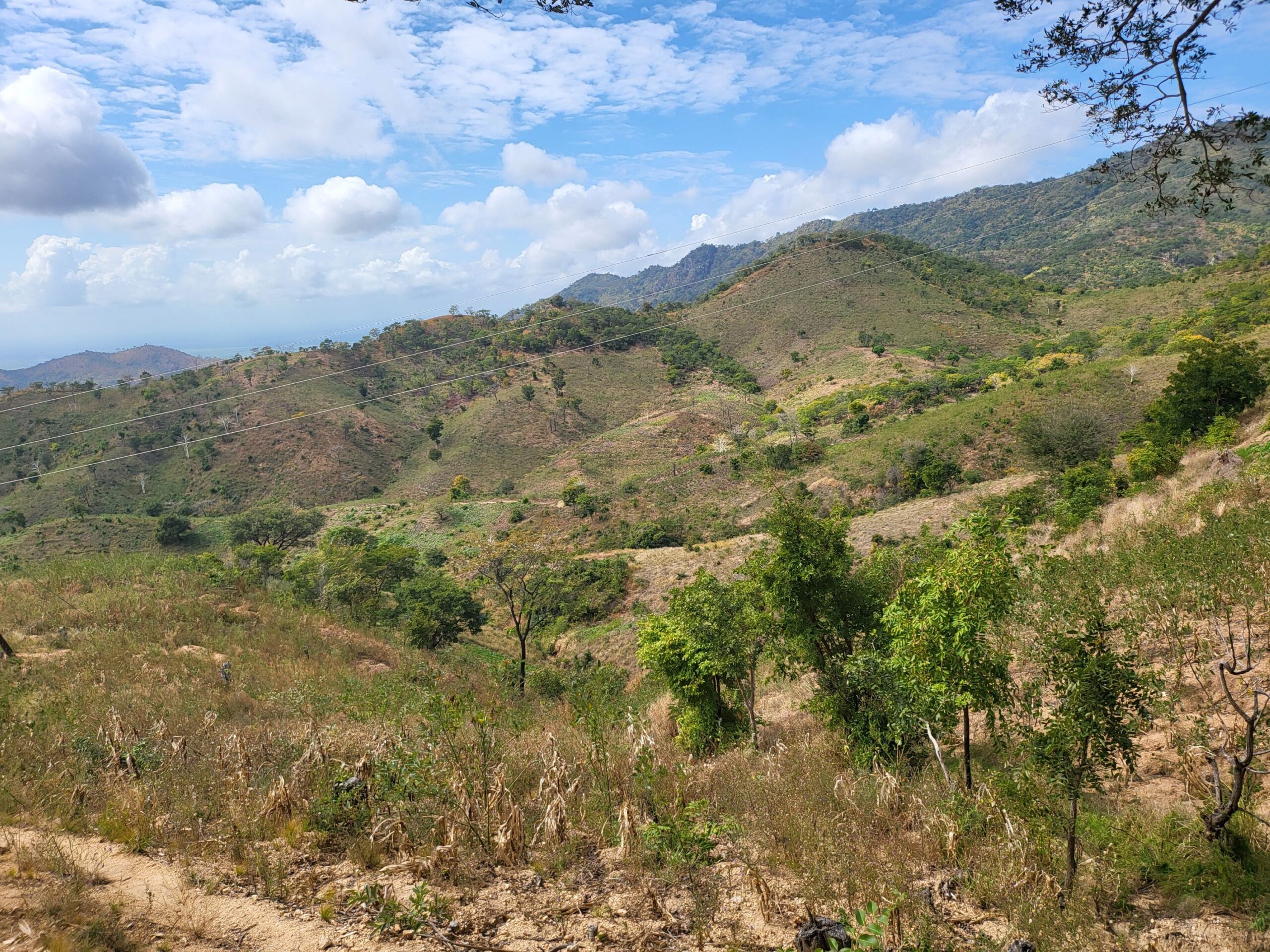
In the aftermath of the Tropical Cyclone Freddy’s devastation, Phalombe and Thyolo districts in Malawi faced the urgent task of restoring agricultural productivity and ecosystems. The Dwale, Austen, and Mwaiwathu Irrigation Schemes, once spanning 151 hectares and serving 606 farming households, now operate on only 45 hectares due to the severe damage.
To address these challenges, the Government of Malawi, with support from the African Development Bank under the Climate Action Window is appraising the feasibility of implementing a project called, ‘enhancing climate adapted agricultural productivity through improved water management’, led by FAO in partnership with IFAD, UNOPS, and the Department of Irrigation in the Ministry of Agriculture.
The project will rehabilitate 151 hectares of irrigation infrastructure, restore 600 hectares of micro-catchments, and promote climate-smart agriculture, benefiting 5 606 households. It integrates digital advisory platforms, secure land tenure, and stronger farmer organizations for inclusive, sustainable resilience. Aligned with UNCCD COP 15 commitments, it advances land degradation neutrality, biodiversity, and climate resilience, while contributing to Malawi’s national goals to improve agricultural productivity and commercialization, economic infrastructure and environmental sustainability.
The FAO Assistant Representative in Malawi, George Mvula, highlighted the impact the project will have on the livelihoods of the communities. He said that by addressing both the physical infrastructures and the institutional capacity of stakeholders, the project will secure lasting gains in agricultural productivity and rural livelihoods.
A comprehensive Environmental and Social Assessment has been conducted in line with Malawi Environment Protection Authority and AfDB safeguards, with impacts addressed through Environmental and Social Management Plans.
Article from FAO webpage
